The Writers Who Break
I’ve watched writers quit.
Not because they ran out of ideas.
Not because life got too hard, though sometimes that too.
A lot of them quit because something hit them sideways...a bad review, a failed launch, an editor’s notes that felt like an attack, a chapter that wouldn’t work no matter what they tried...
…and they had no give in them.
They were rigid.
If you didn’t know, rigid things, when the wind gets strong enough, don’t bend.
They snap.
The writers I’ve watched stay in this for the long haul have something different.
It’s not toughness exactly...though they’re tough. It’s more like...flexibility. They move with the pressure instead of bracing against it. They absorb the hit and come back upright.
They have roots.
So they can afford to bend.
I’ve been hit so many times, I’d almost identified as a punching bag.
Yet I knew that what I was striving to achieve…the goals and passion I had…allowed me to bend in situation after situation, because I had a clear view and understanding of the long game.
What Roots Actually Look Like
Here’s where writers get confused.
They think flexibility means being open to everything. Changing direction every time someone has an opinion. Rewriting the ending because one beta reader didn’t like the villain. Pivoting their whole publishing strategy because one post underperformed.
That’s not flexibility.
That’s rootlessness.
And rootless things blow away completely.
Real flexibility requires knowing what you won’t move on.
For your writing...what is the core truth of your story?
Not the plot.
The thing the story is actually about underneath the plot.
That’s the root.
Everything else can move.
The structure can change, the pacing can be reworked, a character can be cut or combined or deepened.
But the core truth stays planted.
For your publishing...what do you actually believe about how you serve your readers?
That’s the root.
Platform strategies can shift.
Posting schedules can adjust.
A series that isn’t connecting can be paused.
But your commitment to the work and the readers stays planted.
Know your roots.
Then you can move everything else freely.
The Problem With Hard Shells
A lot of writers build armor instead of roots.
Armor looks like strength. It keeps things out...criticism, doubt, feedback, the uncomfortable possibility that something isn’t working.
And for a while it feels protective.
But armor is rigid.
And rigid things break.
The armored writer can’t take notes from an editor because every note feels like an attack.
Can’t hear reader feedback because it threatens the version of the story they’ve decided is correct.
Can’t adapt when the market shifts or the platform changes or their first approach doesn’t land...because adapting would mean admitting the armor has cracks.
The rooted writer can hear all of it.
They don’t necessarily agree with all of it, but they’re secure enough in what they won’t move on that everything else is just information.
Notes from an editor?
Information.
Some of it useful, some of it not, all of it worth considering.
A launch that didn’t perform the way you hoped?
Information.
What did readers respond to? What didn’t connect? What does that tell you about the next one?
Armor keeps the information out.
Roots let you process it without being destroyed by it.
How to Build Roots
Three questions. Answer them before your next project, before your next launch, before your next major creative decision.
One: What is this story actually about?
Not the premise.
The truth underneath the premise.
Wendell P. Dipmier isn’t just about a boy becoming a hero. It’s about what it costs to become the person you were made to be...and whether the cost is worth it.
That’s the root.
Everything in the story can shift.
That doesn’t.
What’s yours?
Two: What do I owe my readers?
Not what they want from you in the moment. What you’re actually committed to giving them. Honesty?
A specific kind of emotional experience?
A world they can escape into?
A story that doesn’t flinch from hard things?
Name it.
That’s your publishing root.
Hold it when the wind picks up.
Three: What am I willing to be wrong about?
This is the flexibility question.
Everything that isn’t your root is fair game.
Your chapter structure.
Your posting schedule.
Your genre.
Your cover design.
Your series order.
Your platform strategy.
Be specific.
List the things you’ll actually move on when the evidence suggests you should.
Roots plus flexibility.
That’s the combination.
When the Wind Gets Strong
It will.
That’s not pessimism...that’s just how long careers work.
A book won’t land the way you expected.
A platform will change its algorithm.
A story arc you loved will need to be scrapped.
A reader will say something that gets under your skin and stays there.
The wind gets strong.
And when it does, you’ll find out whether you built armor or roots.
Armor holds until it doesn’t. Then it fails completely.
Roots hold through everything.
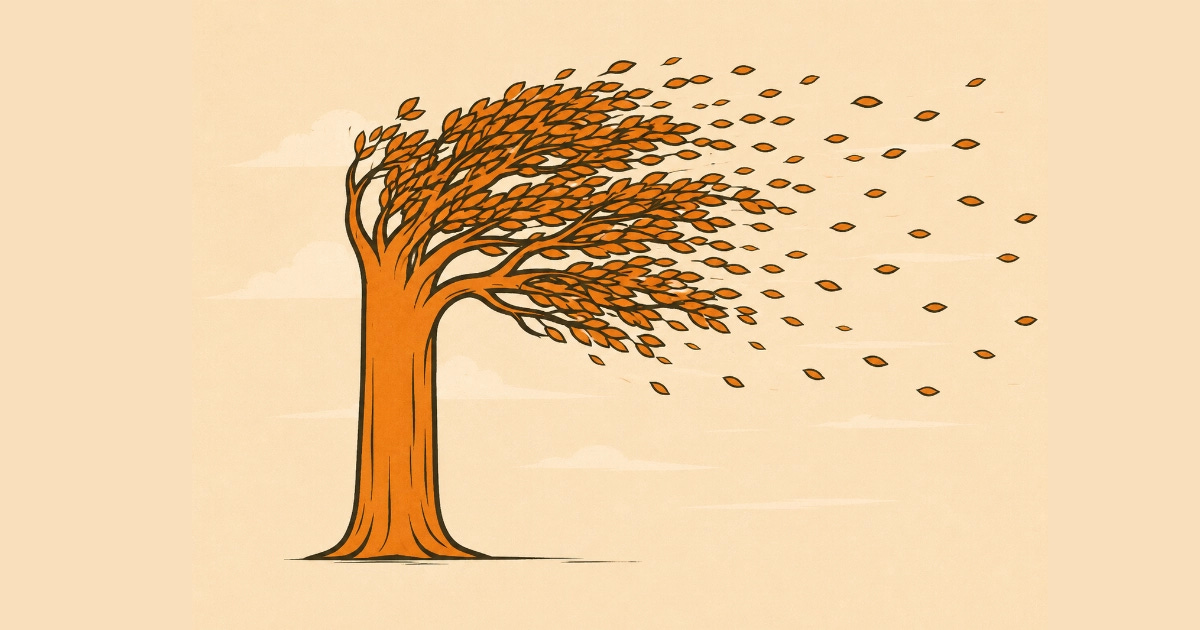
The tree moves...sometimes dramatically, branches whipping, leaves flying...and when the wind passes, it’s still standing.
Still growing.
The tallest trees move in the wind.
That’s not weakness.
That’s exactly why they don’t come down.
“Soft and Strong” is Track 6 on the Gear Girls album Wide Open. This article is part of a ten-piece series built around lines from the album.
Have a listen: SOFT AND STRONG
Understanding what you won’t move on ... your creative roots ... is one of the core frameworks inside Substack for Authors. Because building an audience long-term requires knowing exactly that: what stays planted, and what gets to bend.